Troubleshooting Common Issues with Blower Fans and Housing
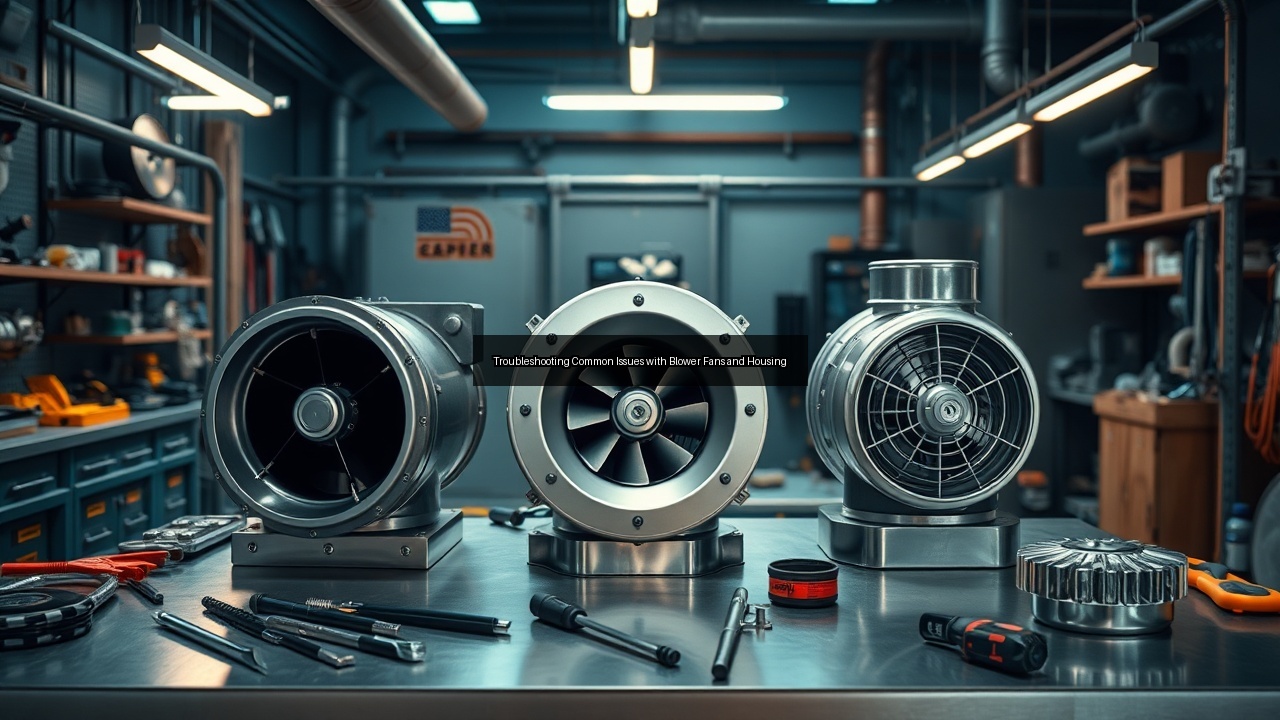
Understanding HVAC Blower Housing and Its Functionality
What is HVAC Blower Housing?
HVAC blower housing serves as the protective enclosure that houses the blower fan within an HVAC system. This assembly plays a crucial role in maintaining efficient airflow throughout heating and cooling processes. Typically made from durable materials such as metal or high-grade plastic, the blower housing provides structural support while minimizing vibration and noise during operation. The design of the blower housing also ensures optimal air intake and exhaust, enhancing the overall efficiency of the system. Understanding the configuration and purpose of HVAC blower housing is essential for both troubleshooting and maintaining HVAC systems effectively.
Role of Blower Fans in HVAC Systems
Blower fans are integral components of HVAC systems, responsible for circulating air throughout residential and commercial spaces. These fans draw air from the surrounding environment and push it through the heating or cooling elements, ensuring comfortable temperatures year-round. In furnaces, blower fans distribute warm air generated from combustion, while in air conditioners, they facilitate the transfer of cool air. The efficiency of blower fans directly impacts the overall performance of the HVAC system; any malfunction can lead to inadequate temperature control, increased energy consumption, and unnecessary wear on other components.
Components of a Blower Housing Assembly
A typical blower housing assembly consists of several key components that work together to facilitate airflow. At the heart of the assembly is the blower fan itself, often encased within a steel or plastic housing to reduce noise and protect it from debris. The assembly also includes a fan motor, which powers the blower fan, and a cage that helps guide the airflow efficiently. Additionally, the blower housing may house various sensors that monitor performance and detect issues. Understanding these components is vital for anyone looking to troubleshoot problems with blower fans or their housing, as each part plays a role in the system's overall function.
Common Issues with Blower Fans and Housing
Identifying Problems with Blower Motors
Blower motors are essential for the effective operation of HVAC systems. When issues arise, they can manifest in various ways, such as unusual noises, reduced airflow, or complete failure to start. Common signs of a failing blower motor include humming sounds, which may indicate electrical issues, or grinding noises that suggest worn bearings. Additionally, if the motor overheats, it may trip circuit breakers, leading to interruptions in HVAC performance. Identifying these problems early is crucial; ignoring them can lead to more severe issues, including complete motor failure, which can be costly to repair or replace.
Signs of a Failing Ball Bearing
Ball bearings play a pivotal role in ensuring the smooth operation of blower fans. When bearings wear out, they can lead to increased friction and subsequently cause the fan motor to work harder, resulting in overheating and potential failure. Signs of failing ball bearings include squeaking or grinding noises. These sounds often indicate that the lubricant within the bearings is depleted or that the bearings are damaged. Ignoring these symptoms can escalate the problem, leading to a more severe breakdown of the blower fan assembly. Regular inspections can help catch these issues early, allowing for timely maintenance or replacement.
Impact of Clogged Air Filters on Performance
Clogged air filters significantly affect the performance of blower fans and HVAC systems. When air filters become dirty, they restrict airflow, forcing blower fans to work harder to draw air through the system. This increased strain not only reduces efficiency but also leads to higher energy bills and shortened equipment lifespan. Homeowners should regularly check and replace air filters according to manufacturer recommendations or sooner if they notice reduced airflow or increased noise. Maintaining clean air filters ensures optimal performance of the blower fans and the entire HVAC system, promoting better air quality and energy efficiency.
Troubleshooting Steps for Blower Fans and Housing
Checking and Replacing the Air Filter
The first step in troubleshooting issues with an HVAC blower is to check the air filter. A clean air filter allows for optimal airflow, which is essential for efficient operation. Begin by locating the air filter in the return air duct or blower housing. Inspect the filter for dirt, dust, or debris buildup. If the filter appears clogged, replace it with a new one, making sure to use the correct size and type for your HVAC system. Regularly replacing the air filter—typically every one to three months—helps maintain airflow, improves air quality, and reduces strain on blower fans, ensuring the HVAC system operates efficiently.
Inspecting the Blower Fan and Housing
Inspecting the blower fan and its housing is vital for identifying potential issues. Start by turning off the HVAC system to ensure safety. Remove the access panel to examine the blower fan for any visible signs of damage, such as bent blades or excessive dirt buildup. Check the housing for loose screws or cracks that could affect performance. Additionally, examine the ball bearings for signs of wear or inadequate lubrication. If any problems are identified, address them promptly by cleaning, tightening screws, or replacing damaged parts. Regular inspections help ensure that the blower fan operates smoothly and efficiently.
Diagnosing Electrical Issues in the HVAC System
Electrical issues can severely impact the performance of blower fans and HVAC systems. Begin diagnosing electrical problems by checking the circuit breaker to ensure that power is reaching the HVAC unit. Use a multimeter to test the blower fan motor for electrical continuity. If there are any irregular readings, the motor may need repair or replacement. Additionally, inspect wiring connections for signs of wear, corrosion, or loose connections. If the motor runs but the blower fan does not spin, the issue may lie within the motor or the control board. Accurate diagnosis of electrical issues is crucial to maintain the overall functionality of the HVAC system.
Maintenance Tips and Warranty Considerations
Regular Maintenance for Optimal Performance
Regular maintenance is essential for keeping HVAC systems, including blower fans and housing, in optimal working condition. Schedule seasonal inspections to identify and address potential issues before they escalate. This includes checking air filters, inspecting blower fans, and cleaning the blower housing. Additionally, lubricate ball bearings and other moving parts to minimize friction and wear. HVAC professionals recommend a thorough cleaning of the entire system at least once a year, which can enhance efficiency and prolong equipment lifespan. By investing in routine maintenance, homeowners can avoid costly repairs and ensure consistent indoor comfort.
Understanding OEM Parts and Their Importance
Using Original Equipment Manufacturer (OEM) parts during repairs or replacements ensures compatibility and reliability within HVAC systems. OEM parts are designed specifically for your HVAC model, which means they meet the manufacturer's performance standards. This is crucial for components like blower fans and housing, where precise fit and function significantly impact efficiency and longevity. While aftermarket parts may offer lower prices, they often come with risks of poor performance or premature failure. Understanding the importance of OEM parts can save homeowners from future headaches, ensuring that their HVAC system runs smoothly and reliably.
Feedback from Users: Common Issues and Solutions
User feedback plays a vital role in understanding common issues with blower fans and HVAC systems. Many homeowners report problems such as noise from the blower fan, inefficient heating or cooling, and frequent system malfunctions. Solutions often involve simple steps, such as regular air filter changes, timely inspections, and using OEM parts for replacements. Engaging with user feedback not only provides insight into prevalent issues but also highlights effective solutions that others have successfully implemented. Homeowners can benefit from sharing experiences and learning from one another to ensure their HVAC systems remain efficient and reliable.
See Also
- Understanding the Role of HVAC Blower Housing in Efficient Airflow
- Why Regular Inspections of Blower Housing Are Essential
- The Importance of OEM Blower Housings for Long-Term HVAC Reliability
- Maximizing Your HVAC Performance with Quality Blower Fans and Housings
- Common Issues with Furnace Blower Housings and How to Fix Them