The Environmental Impact of Thermoset Plastics in Injection Molding
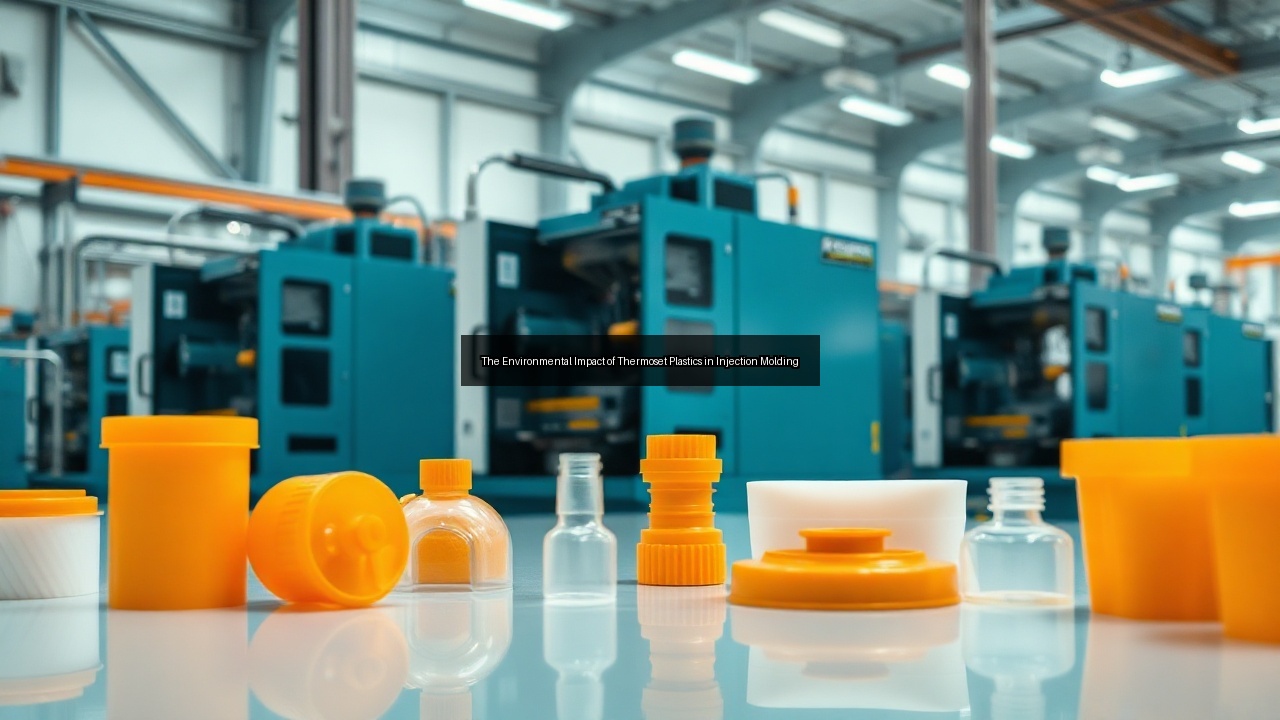
Understanding Thermoset Plastics in Injection Molding
What are Thermoset Plastics?
Thermoset plastics are a category of polymers that undergo a chemical change when heated, resulting in a rigid structure that cannot be remolded. Once these materials cure, they maintain their shape and properties, making them ideal for various applications, especially in injection molding. Unlike thermoplastics, which can be reheated and reshaped, thermosets offer superior thermal stability and chemical resistance. This makes them suitable for products that require durability and resilience, such as automotive parts, electronic components, and household items. The unique properties of thermoset plastics stem from their cross-linked molecular structure, which provides enhanced strength and performance.
Differences Between Thermosets and Thermoplastics
Understanding the distinction between thermosets and thermoplastics is crucial for manufacturers and engineers. While both types of plastics serve various applications, their properties and processing methods differ significantly. Thermoplastics, such as acrylonitrile butadiene styrene (ABS) and polypropylene, can be melted and reshaped multiple times, making them versatile for applications requiring frequent alterations. In contrast, thermosets solidify through a curing process and cannot be remolded. This permanence contributes to their strength and heat resistance, making thermosets preferable for high-performance applications. Additionally, thermosets typically exhibit better chemical resistance compared to many thermoplastic materials, which can degrade when exposed to harsh environments.
Common Thermoset Materials Used in Injection Molding
Various thermoset materials find application in the injection molding process. Common examples include epoxy resins, phenolic resins, and polyurethane. Epoxy resins are widely used in electronic and aerospace industries due to their excellent adhesion and mechanical properties. Phenolic resins, known for their heat resistance and strength, are often utilized in automotive and industrial applications. Polyurethane, recognized for its flexibility and durability, is prevalent in the production of foams and coatings. Each of these thermoset materials offers unique benefits, allowing manufacturers to tailor their products to meet specific performance criteria in injection molding processes.
The Injection Molding Process for Thermosets
Steps in Thermoset Injection Molding
The injection molding process for thermosets involves several critical steps that ensure the final product meets the desired specifications. First, the thermoset material is preheated to facilitate flowability. Next, the molten material is injected into a mold under high pressure, allowing it to fill every cavity. Once the mold is filled, the material undergoes a curing process, where it heats and chemically reacts to form a solid structure. After sufficient curing time, the mold opens, and the injection-molded thermoset part is ejected. This process is highly efficient, enabling the production of complex shapes and high volumes of thermoset products while maintaining precision and consistency.
Advantages of Using Thermoset Plastics in Injection Molding
Utilizing thermoset plastics in injection molding brings numerous advantages that appeal to manufacturers across various sectors. One primary benefit is their superior thermal stability. Thermosets can endure high temperatures without degrading, making them ideal for applications in automotive and aerospace industries where heat resistance is crucial. Additionally, thermoset plastics offer enhanced mechanical properties, including strength and rigidity, compared to thermoplastics. This strength translates to longer-lasting products that can withstand harsh environmental conditions. Moreover, thermosets exhibit excellent chemical resistance, making them suitable for applications that require exposure to aggressive substances. The efficiency of the injection molding process further allows for mass production, reducing costs and increasing output.
Factors Influencing the Injection Molding Process
Several factors influence the injection molding process for thermosets, impacting the quality and efficiency of the final product. Material selection plays a significant role; different thermoset materials exhibit varying flow properties and curing times, which can affect mold design and processing parameters. The temperature and pressure during injection also significantly influence the distribution of the material within the mold, as well as the overall curing process. Mold design—including the complexity of the shape and the presence of draft angles—affects how easily the finished part can be removed from the mold. Understanding these factors helps manufacturers optimize their processes, ensuring high-quality outputs while minimizing waste and production costs.
The Environmental Impacts of Thermoset Plastics
Recyclability of Thermoset Plastics
Recyclability remains a significant concern in injection molding materials the discussion of thermoset plastics and their environmental impact. Unlike thermoplastics, which can be reprocessed and recycled multiple times, thermosets cannot be remolded after their initial curing process. This characteristic poses challenges for end-of-life disposal, as thermosets typically end up in landfills. Some innovative recycling methods have emerged, such as chemical recycling processes that break down thermosets into their original monomers, allowing for the creation of new materials. However, these techniques are still in the development stage and not widely implemented. The limited recyclability of thermoset plastics necessitates a focus on sustainable practices throughout their lifecycle, from production to disposal.
Chemical Composition and Environmental Concerns
The chemical composition of thermoset plastics raises environmental concerns that warrant attention. Many thermosets incorporate potentially harmful chemicals, such as formaldehyde and styrene, which can pose health risks during production and disposal. Additionally, the curing agents used in thermoset formulations may release volatile organic compounds (VOCs), contributing to air pollution. Manufacturers are increasingly aware of these issues and are exploring safer alternatives and formulations that minimize environmental impact. Implementing best practices and adhering to regulatory guidelines, such as ISO 13485, can help mitigate these concerns and promote the responsible use of thermoset materials in injection molding.
Comparative Analysis with Thermoplastics
A comparative analysis of thermoset and thermoplastic materials highlights significant differences in environmental impact and sustainability. While thermoplastics offer greater recyclability, thermosets provide superior mechanical and thermal properties. This trade-off often leads to difficult decisions for manufacturers regarding material selection. Thermoplastics can be reprocessed and reused, reducing waste and promoting a circular economy model. In contrast, the disposal of thermosets raises environmental concerns, making it essential for industries to innovate and develop sustainable alternatives. As consumer demand for environmentally friendly products grows, manufacturers must balance performance with sustainability, ensuring that their choices align with eco-friendly practices.
Future Trends in Thermoset Injection Molding
Innovations in Materials and Processes
The future of thermoset injection molding will likely witness exciting innovations in materials and processes. Researchers and manufacturers are developing bio-based thermoset materials that reduce reliance on fossil fuels and decrease the environmental footprint. These bio-based alternatives aim to provide similar performance characteristics while promoting sustainability. Additionally, advancements in processing techniques, such as 3D printing with thermosets, offer new opportunities for customization and efficiency. Integrating smart manufacturing technologies, such as automation and data analytics, can enhance production processes, leading to improved quality and consistency in thermoset injection-molded products. These innovations will shape the industry's landscape, making it more sustainable and efficient.
Sustainability Initiatives in Plastics Injection Molding
As environmental awareness grows, sustainability initiatives in plastics injection molding become increasingly important. Manufacturers are actively seeking ways to minimize waste, reduce energy consumption, and implement recycling strategies. Incorporating recycled materials into the production of thermosets can lower the carbon footprint associated with new material production. Furthermore, companies are exploring closed-loop systems that facilitate recycling and reuse within their operations. Educating employees and stakeholders about sustainable practices also plays a crucial role in fostering a culture of responsibility. These initiatives not only benefit the environment but also enhance brand reputation, appealing to eco-conscious consumers and businesses alike.
Regulatory Standards: ISO 13485 and Beyond
Regulatory standards, such as ISO 13485, significantly impact the production and use of thermoset plastics in injection molding. These standards ensure that products meet quality and safety requirements, particularly in industries like medical devices and automotive manufacturing. Compliance with regulations mandates rigorous testing and documentation, promoting accountability among manufacturers. In addition to existing standards, evolving regulations will likely introduce stricter guidelines focusing on sustainability and environmental impact. Staying abreast of these changes will be crucial for manufacturers aiming to maintain compliance and meet consumer expectations. Adopting best practices aligned with regulatory standards supports the responsible use of thermoset materials in injection molding while fostering innovation in sustainable practices.